16,000 Small Towns Are Being Left Out of the AI Conversation
Somewhere in Washington, another AI executive order gets signed. A state-level task force convenes. A major city launches an innovation office. The AI conversation in government is thriving — if you happen to work in a place with the staff, budget, and bandwidth to participate.
For the more than 16,000 U.S. municipalities with populations under 5,000, that conversation might as well be happening on another planet.
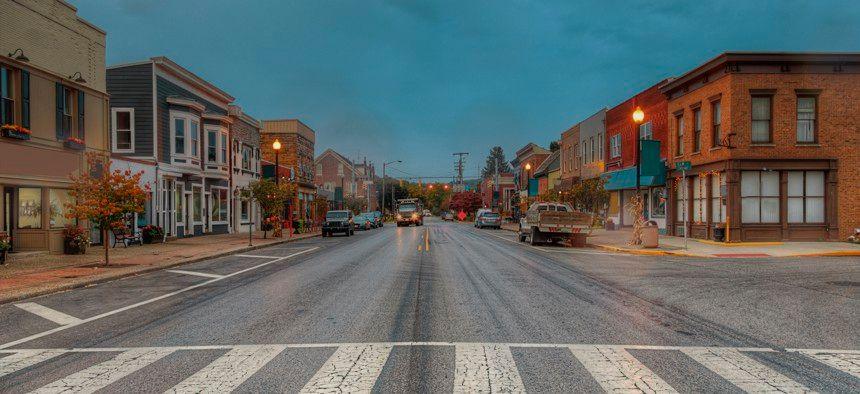
A Route Fifty commentary painted a vivid picture: a clerk-treasurer in a rural Indiana town of 1,200 who handles payroll, utility billing, building permits, council minutes, and resident phone calls about potholes. She is also, whether anyone realizes it or not, her municipality’s de facto technology officer.
She has heard about AI at conferences she cannot afford to attend, in newsletters she does not have time to read, from vendors pitching solutions designed for jurisdictions ten times her size. No one has asked what she actually needs.
This is not an isolated case. It is the norm. The most comprehensive recent survey on AI adoption in local government received responses from just 12 communities under 5,000 people — out of more than 16,000 such municipalities nationwide.
Federal AI guidance flows through professional networks that small towns do not belong to. State resources assume a baseline capacity that does not exist in most small communities — a city manager who reads policy briefs, an IT director who can translate guidance into practice.
In thousands of American communities, those positions simply do not exist.
Meanwhile, the technology is already there. ChatGPT is free and available in any browser. Small-town employees are already using it to draft letters, summarize documents, and answer questions — often without any guidance, training, or policy.
Small towns do not need a grand AI strategy. They need practical tools that reduce the daily burden on already-stretched staff without requiring technical expertise to deploy or maintain.
What these communities actually need:
- Resident-facing tools that answer routine questions at 2 AM so staff are not fielding the same calls every morning
- Service request systems that route and track issues without manual intervention
- Payment and permit workflows that do not require residents to visit town hall during business hours
- Solutions that work within existing budgets — not products designed for cities with six-figure technology line items
This is exactly the gap Muni was built to fill.
Muni’s platform does not require a dedicated IT team to deploy. It does not assume a municipality has an innovation office or a chief technology officer. It is built for the reality that most municipal offices operate with small teams doing big jobs.
When a resident asks about garbage collection schedules at 9 PM, Muni answers. When someone needs to report a pothole, Muni routes the request. When a utility payment is overdue, Muni sends a reminder and accepts payment through a conversation.
None of this requires the clerk-treasurer to learn new software or manage another system. It works alongside the workflows that already exist.
The national AI conversation will eventually catch up to small towns. But 16,000 municipalities should not have to wait for federal policy to filter down before they can serve residents more effectively.
The technology is here. The question is whether it meets communities where they actually are.


 @getmuni